
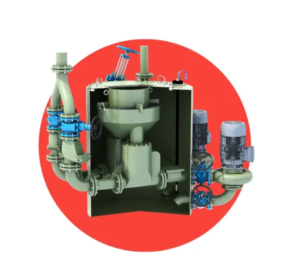
When a gravity-fed drainage system isn’t possible, a sewage pumping system becomes an essential part of your infrastructure. But not all pumping stations are created equal. Selecting the right system can mean the difference between decades of reliable operation and frequent maintenance headaches.
Here are seven key factors to consider before making your decision.
1. What type of wastewater are you pumping?
The first question is simple but critical:
• Domestic sewage
• Commercial wastewater
• Industrial effluent
• Municipal wastewater
Each application has different requirements for flow rates, solids handling, and durability. Choosing a system specifically designed for your wastewater type ensures long-term reliability. STRATE, part of DÜKER, offers solutions for everything from residential buildings to large municipal infrastructure.
2. How much flow and pumping head do you need?
Correct sizing is essential.
Consider:
• Peak flow rates
• Daily usage patterns
• Vertical lift (head)
• Pipe length and friction losses
An oversized pump wastes energy, while an undersized system can lead to overflows and premature wear.
3. Will solids cause blockages?
One of the biggest causes of sewage pump failure is clogging caused by wipes, rags and other solids.
Modern systems using solids separation technology can dramatically reduce pump blockages. The STRATE AWALIFT system separates coarse solids from the liquid before pumping, preventing the impellers from coming into contact with debris and reducing maintenance requirements.
4. How easy is it to maintain?
Maintenance costs often exceed the initial purchase price over the lifetime of a pumping station.
Look for systems that offer:
• Easy access to components
• Above-ground maintenance where possible
• Minimal confined-space entry
• Reduced downtime
Dry-installed pumping systems can make servicing faster, safer and less disruptive.
5. Is energy efficiency important?
Pumping is one of the largest energy consumers in many wastewater systems.
An efficient pumping station should include:
• Correct pump selection
• Intelligent controls
• Efficient hydraulic design
• Optional duty/standby operation
Lower energy consumption means lower operating costs throughout the system’s life.
6. Can the system grow with your project?
Whether you’re designing for a new housing development, commercial facility or municipal expansion, flexibility matters.
Choose a modular solution that can adapt to:
• Future population growth
• Increased wastewater volumes
• Additional pumping capacity
Scalable systems help protect your investment.
7. Do you have expert support?
The best equipment still needs expert specification, installation and servicing.
Working with experienced specialists ensures:
• Correct system selection
• Professional commissioning
• Preventive maintenance
• Fast technical support when required
Cougar Pumps provide application advice, installation support, servicing and repair for industrial and wastewater pumping systems, helping you maximise reliability throughout the system lifecycle.
FINAL THOUGHTS
Choosing the right sewage pumping system isn’t simply about selecting a pump—it’s about designing a reliable, efficient wastewater solution that will perform for years with minimal maintenance.
Innovative technologies such as the STRATE AWALIFT solids separation system, combined with expert engineering support from experienced partner Cougar Pumps, can significantly reduce lifecycle costs while improving operational reliability.
strate@cougar-industries.co.uk
Call us on 01442 860000